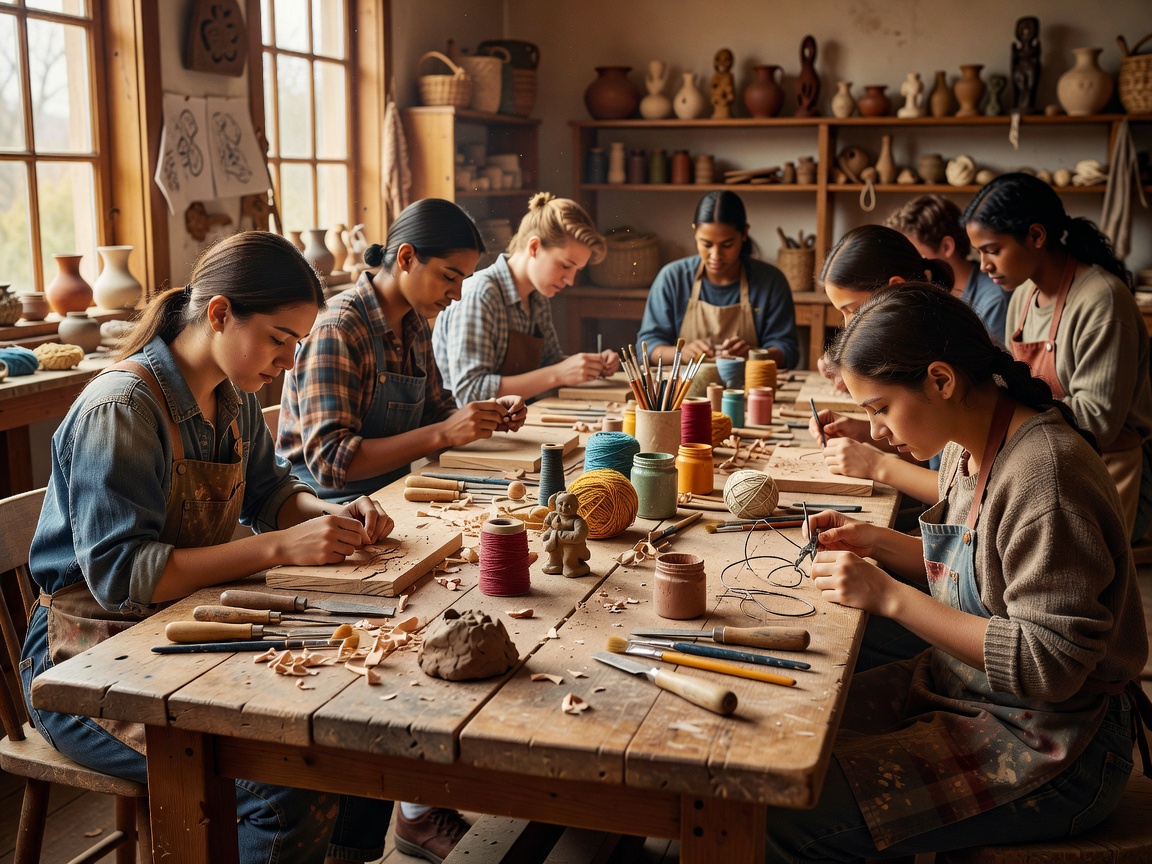
01 / COURSE FORMAT
Historic Craft Courses
Compare short workshops, multi-day study, demonstrations and supervised making.
Open file →ARCHIVE INDEX / EUROPE / 2026
A practical reference for traditional European craft education. Compare courses, techniques, materials, workshop formats and regional learning contexts.
FIVE FILES / START HERE
01 / COURSE FORMAT
Compare short workshops, multi-day study, demonstrations and supervised making.
Open file →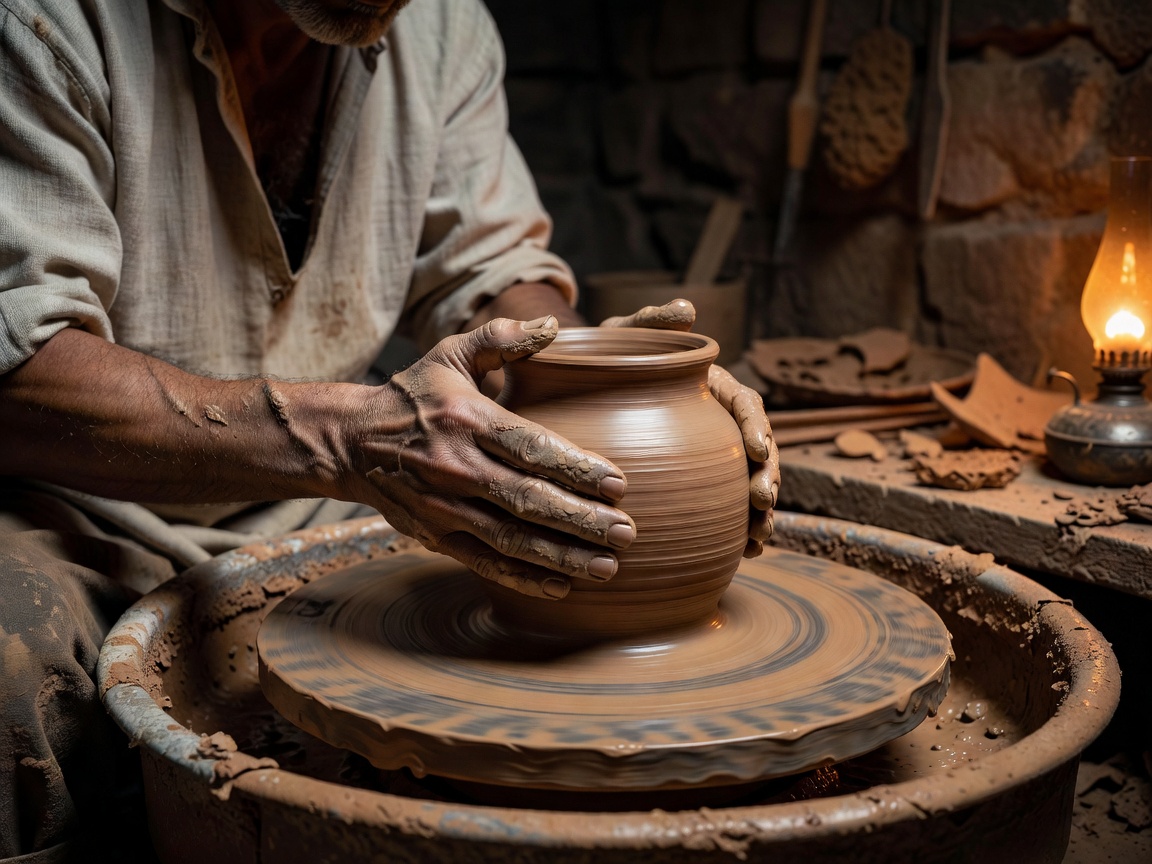
02 / PROCESS
Survey woodworking, ceramics, weaving, dyeing, metalwork, leather and stone.
Open file →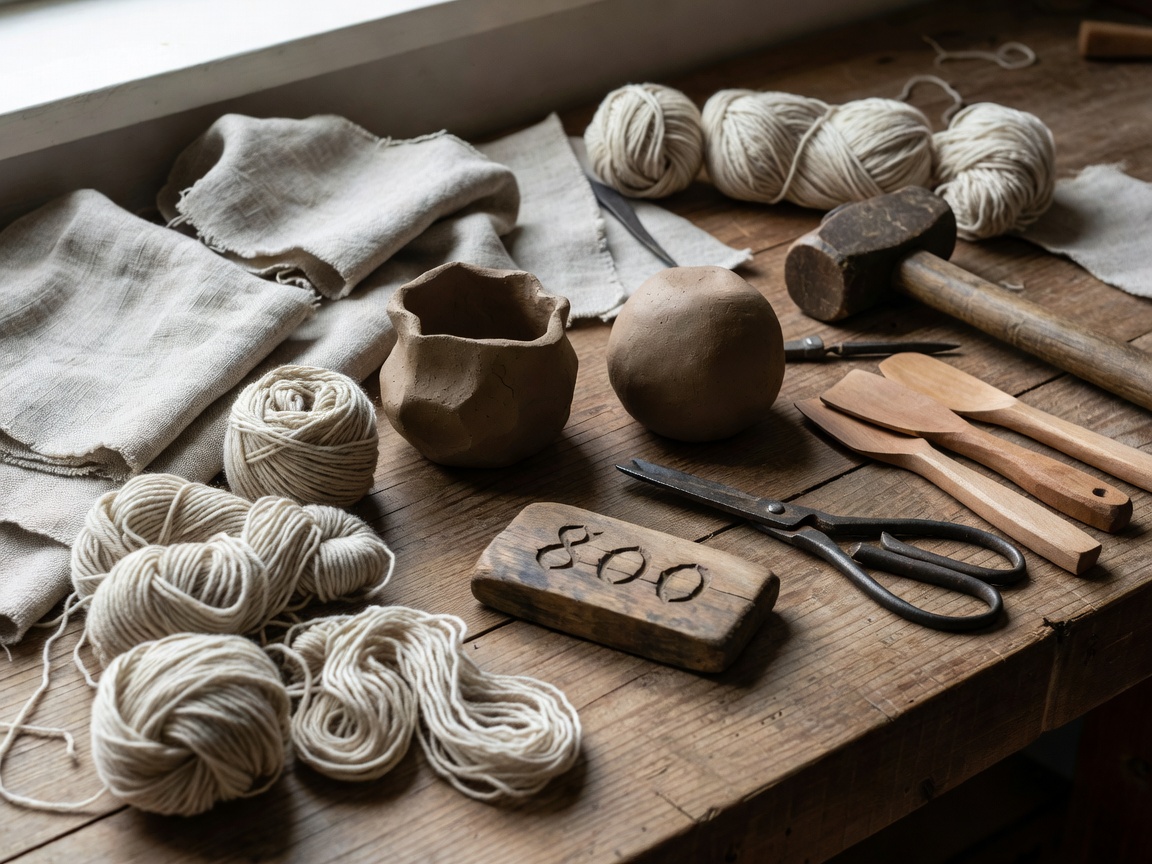
03 / MATERIAL LIBRARY
Identify material behaviour, preparation needs, compatible tools and storage.
Open file →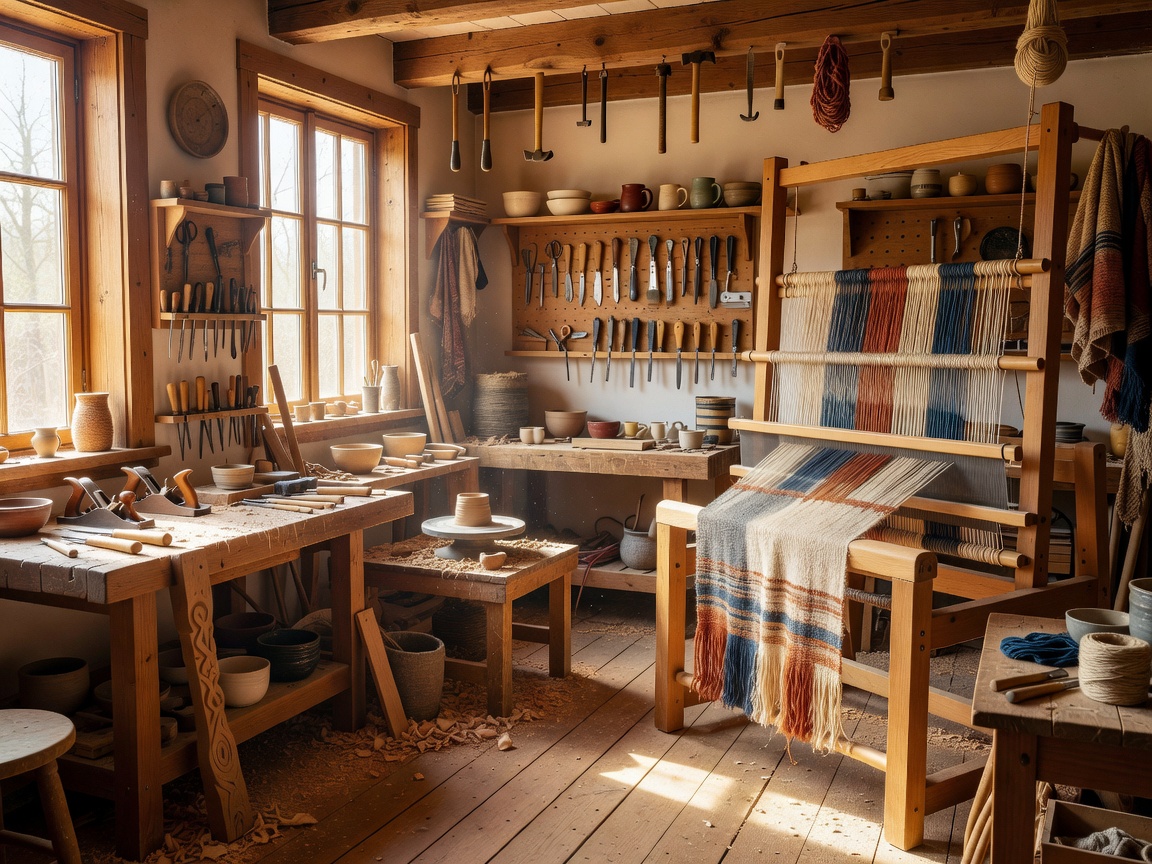
04 / PLACE
Understand specialist schools, independent workshops and community studios.
Open file →
05 / FIELD GUIDE
Check duration, level, tools, access, travel, accommodation and policies.
Open file →WORKSHOP LOGIC / 04 STEPS
Know grain, moisture, fibre, plasticity, hardness and response.
Match tools and gestures to the material rather than forcing it.
Repetition builds control. Demonstration becomes useful through supervised work.
Regional resources, tools and teaching traditions shape the workshop.